|
|
Last Modified on Apr 03, 2026
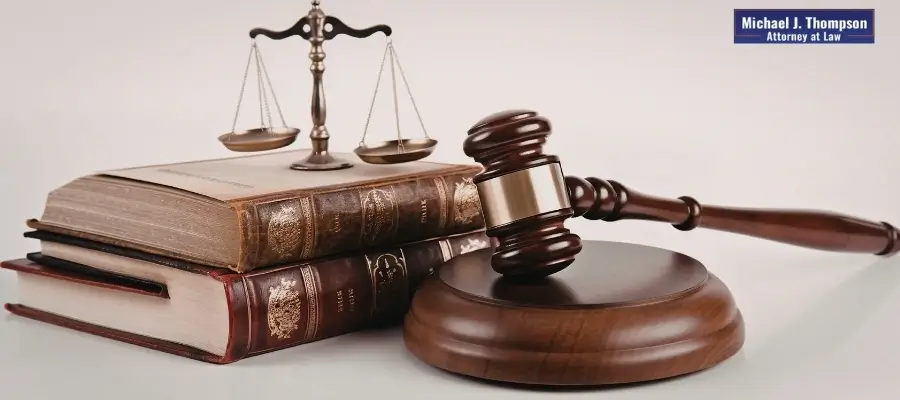
Understanding the articles of military justice is important to all military personnel. However, the Uniform Code of Military Justice (UCMJ) can be a dense and confusing legal document for service members with little to no legal background. It can be useful to examine the basics of UCMJ laws and how violations can impact your career in the armed services.
About Us
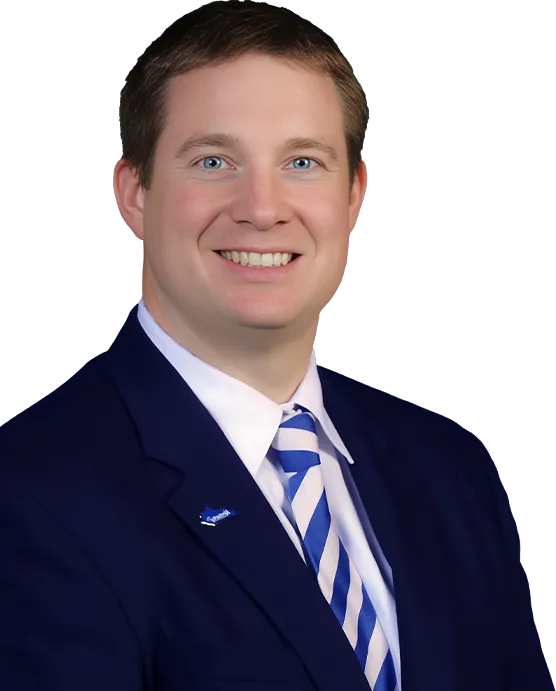
Michael J. Thompson Attorney at Law has spent years representing service members in Fort Knox, Oak Grove, Fort Campbell, and across Tennessee and Kentucky in their UCMJ cases. Owner Michael J. Thompson served four years in the Marines, and our of-counsel attorney, James Phillips, was an Army JAG at Fort Campbell and served in Operation Iraqi Freedom with the 101st Airborne Division.
What Are the Articles of Military Justice?
The Articles of Military Justice are 164 articles in the Uniform Code of Military Justice (UCMJ) that guide military legal proceedings. They are sectioned into subchapters that include:
- General definitions
- Discipline standards
- Punitive articles
- Guidelines for pre-trial procedure
- Court-martial jurisdiction and procedure
- Sentencing structure
- Appeals processes
Punitive Articles
Articles 77-134 of the Uniform Code of Military Justice detail all military criminal offenses. These provisions detail acts that are typically crimes when committed in civilian jurisdiction, and they are also ones particular to the armed forces.
Offenses that are criminal under state or federal regulations are typically processed through both military and civilian court systems through dual jurisdictions. Crimes that have specific articles include:
- Assault
- Drug possession and use
- Fraud
- Larceny
- Murder
- Manslaughter
- Sexual assault
- Robbery
- Forgery
Military-specific offenses center around violations of the chain of command and disciplinary standards. These include:
- Articles 90-92: These three articles cover failing to obey orders, ignoring commands, or willful disobedience.
- Articles 85-87: Article 85 is used for leaving service with the intent to permanently avoid duty without administrative separation. Article 86 is for service members who are absent without leave (AWOL) or missing from duty without permission. Article 87 is a designation for failure to deploy with an active unit.
- Article 115: This article is for faking illness or injury to avoid duties.
- Article 133 & Article 93: Article 133 covers any conduct unbecoming of an officer, while Article 93 is reserved for cruel treatment or abuse of authority over subordinates.
- Article 103: Article 103 covers spies, espionage, and aiding an active enemy of the armed forces.
Article 134 is a general provision used for both military-specific and civilian offenses. It is defined as any behavior that discredits the armed forces or neglects discipline. It also covers any noncapital criminal offense unspecified elsewhere in the UCMJ. Examples include:
- Drunkenness
- Disorderly conduct
- Adultery
- Prostitution
- Bigamy
- Sexual harassment
Punitive Processes
Disciplinary action for a punitive article can be pursued through different means. The general first step for most cases is an investigation conducted by a commanding officer or other personnel. Before discussing an alleged act, the questioning authority must read the defendant their Article 31 rights. These include:
- The right to remain silent
- The right to learn the full extent of allegations
- Knowledge that anything they say can be used against them
Following a thorough investigation, commanders can make many decisions. These include:
- No action taken: The case is dismissed.
- Non-punitive administrative action: This covers verbal counseling, counseling statements, corrective training, or other informal actions.
- Article 15: Article 15, or nonjudicial punishments, are the most common types of formal disciplinary action. In 2024, the Army had the most reported Article 15 matters, with 17,993 nonjudicial punishments imposed, followed by 5,066 Marine Corps cases and 3,909 Air Force cases.
- Court-martial: A court-martial is the formal trial process for UCMJ cases. The least severe version is a summary court-martial overseen by an officer judge. A special court-martial is for higher-level violations that include a three-person panel. General courts-martial are for the most severe offenses, and they mirror a full civilian felony court. These can lead to years of confinement or a dishonorable discharge.
FAQs
What Is the Difference Between Nonjudicial and Judicial Punishments?
Nonjudicial and judicial punishments differ in many important ways, including how they affect your future. Nonjudicial punishments are used when a commanding officer doesn’t think a court-martial is necessary. It carries lesser penalties and does not appear on civilian records. A judicial punishment is the term for court-martial proceedings, and it can result in a discharge, a hefty fine, and prison time.
When Should You Contact a UCMJ Lawyer?
You should contact a UCMJ lawyer as soon as possible following an investigation or accusation of a UCMJ violation. Early legal counsel can:
- Aid in avoiding easy mistakes.
- Protect you from manipulative questioning tactics.
- Prepare you for initial hearings.
UCMJ attorneys can have a greater impact on the outcome when they have more time with your situation.
How Much Does a UCMJ Lawyer Cost?
How much your UCMJ lawyer costs depends on:
- The severity of the accusations
- The case’s complexity
- Whether a trial by court-martial is necessary
- The workload for the firm
A simple nonjudicial punishment matter, resolved quickly, typically costs less than representation in a general court-martial centered on an aggravated assault charge. During your initial consultation, your lawyer can estimate your final legal expenses.
What UCMJ Cases Can Result in a Dishonorable Discharge?
One worry for those initially accused of a UCMJ violation is that it may result in an automatic dishonorable discharge. Under UCMJ regulations, the only process that can result in dishonorable discharge is a general court-martial. Offenses that lead to general courts-martial are felonies, including:
- Fraud
- Perjury
- Drug trafficking
- Aggravated assault
- Sexual assault
- Homicide
Hire a UCMJ Lawyer Today
If you have recently had your Article 31 rights read to you or are under investigation, hire a UCMJ lawyer to handle your case. Your UCMJ attorney from Michael J. Thompson Attorney at Law can represent you in discussions with superior officers, explain the process, build your defense, and present your case both in and out of court.
Reach out today to schedule your initial consultation, where we can learn your story and explore your options. You may also pay a visit to our Oak Grove offices, located east of Fort Campbell on Fort Campbell Boulevard, north of Freeman Visitor Center, and south of Morgan Road.